Denver, Denver County
HVAC repair in Denver, Colorado.
Minus-ten nights and ninety-degree afternoons in the same house. We service what you own before we sell you anything new, and if it is time, you get three options and a straight answer on which one pays you back.
- Furnace and boiler repair and tune-ups
- AC and heat pump service or replacement
- Thermostats and zoning
- No-heat calls handled first, all winter
What it costs in Denver
$4,500 – $9,500
Typical furnace or AC replacement, parts and labor included.
Tune-ups are $129, and no-heat calls are quoted before anyone starts work.
Financing on jobs over $2,500 — ask about monthly payments.
- Licensed & insured in Colorado
- 4.9★ from 187 local jobs
- 12-month workmanship warranty
- Quotes back the same day
What we know about Denver
- The 2023 and 2024 hail swaths hit Park Hill, Wash Park and Berkeley hardest — roofs from the 1990s are at end of life there.
- Permits run through Denver Community Planning & Development, and spring inspection queues can add a week to a job.
- Clay soil and a lot of original cast iron mean Denver basements see more sewer line work than the suburbs do.
How to pick the right HVAC company in Denver
Heating and cooling is the trade with the most pressure attached, because a no-heat call in January is not a moment when anyone wants to shop around. Read this before you need it, not during.
- 01
A mechanical permit for the install
Colorado does not license HVAC contractors statewide, so the permit is your proof the work was inspected. Most Front Range cities require a mechanical permit for a furnace, boiler or AC change-out.
- 02
Measurements before a replacement pitch
Static pressure, gas pressure, temperature rise, refrigerant charge. Numbers decide whether the unit is repairable, and any honest bid starts with them.
- 03
A load calculation, not a like-for-like swap
The old furnace was sized for the house with the windows it had in 1994. A proper bid starts with the actual square footage, insulation and window load, not with the label on the old unit.
- 04
Efficiency claims with a reason attached
Two-stage or variable equipment pays in some houses and not in others. You want a straight answer about what the upgrade costs and what it saves, not just the badge on the box.
- 05
A combustion safety check on anything gas
A heat exchanger inspection with a camera and a carbon monoxide test is the difference between a tune-up and a liability.
Ask every company these
- Will you pull a mechanical permit, and does the price include it?
- What did you measure today, and can I see the numbers?
- Did you run a load calculation, or is this the same size as the old unit?
- What is the labor warranty, and is it longer than the manufacturer term?
- Who does warranty work in February if you are booked out?
- What does the price include: pad, flue, line set, thermostat, disconnect, haul-away?
Walk away if
- A replacement quoted without a single measurement of the old system.
- A carbon monoxide scare used as the sales close.
- A price that leaves out the permit, the flue or the pad.
- No answer to who honors the labor warranty in a cold snap.
What a real written quote includes
- Model number, efficiency rating and size in BTUs or tons
- The measurements the diagnosis was based on
- The load calculation, or the reason one was not needed
- Permit fee, and who meets the inspector
- What is new: pad, flue, line set, thermostat, disconnect
- Haul-away of the old equipment
- Labor warranty term, separate from the manufacturer’s
- Startup numbers: temperature rise, or refrigerant charge
Every line above is something we hand you before we start, in writing. If a bid you get from us is missing one, hire the other company.
HVAC repair in Denver: straight answers
Recent jobs like this

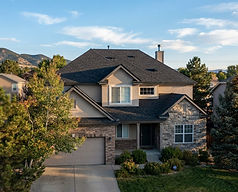
Full replacement, Fort Collins
Hail took the north slope. Torn off and dried in one day, shingles matched to the rest of the block.

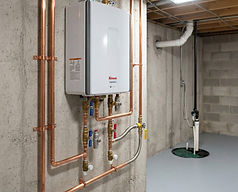
Water heater swap, Greeley
Failed tank out, tankless in, copper re-piped and labeled the same morning.

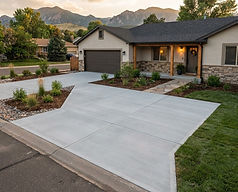
Driveway replacement, Longmont
Expansive clay, so a thicker base and tighter joints. Poured and cut before the first freeze.